Femoral Retroversion in Children
On this page
What is femoral retroversion?
Femoral retroversion is an outward rotation of the thigh bone (femur), causing the knee and toes to also turn outward. Usually both legs are affected.
The opposite condition, in which the femur turns inward, is called femoral anteversion. Unlike femoral anteversion, femoral retroversion isn't typically outgrown as the child matures. Surgical treatment is available for kids who experience pain or other troublesome symptoms.
The condition is also known as external femoral torsion or hip retroversion.
Causes of femoral retroversion
Femoral retroversion may result from the baby's position while growing in the uterus. It tends to run in families and is more common in kids with obesity.Symptoms of femoral retroversion
If your child has femoral retroversion, you may notice the following:
- The thigh bones turn outward from the hip.
- Both feet point outward when the child is walking. This is known as out-toeing or being duck-footed.
These differences can be caused by other conditions, and out-toeing can also be normal in young kids. Be sure to see a doctor to ensure your child is diagnosed correctly.
Diagnosis of femoral retroversion
To diagnose femoral retroversion, the doctor will perform a physical exam that includes assessing your child's hips. In kids with femoral retroversion, the hips have a greater-than-normal range of motion to the outside and a limited range of motion when rotated internally. Since the condition runs in families, the doctor may ask whether other family members have femoral retroversion.
X-rays usually aren't necessary. However, some children with femoral retroversion also have a condition called slipped capital femoral epiphysis, or SCFE. Kids who are experiencing pain, limping and out-toeing only on one side should be evaluated for SCFE, which does require imaging tests.
Treatment of femoral retroversion
Wearable devices, such as braces and twister cables, don't improve femoral retroversion. The only effective treatment is a surgical procedure called derotational osteotomy.
Surgery for femoral retroversion
In a derotational osteotomy, the surgeon cuts the femur, rotates it into proper alignment and reattaches the bone.
Surgery may be considered if your child has:
- Hip pain
- Significant abnormalities in gait (manner of walking)
- Activity limitations due to the condition
If you're considering this surgery for your child, look for a pediatric orthopedic surgeon with expertise in rotational problems.
UCSF Benioff Children's Hospitals medical specialists have reviewed this information. It is for educational purposes only and is not intended to replace the advice of your child's doctor or other health care provider. We encourage you to discuss any questions or concerns you may have with your child's provider.
Awards & achievements


Ranked among the nation's best in 11 specialties

Best in Northern California for orthopedics

Related services
Related articles
Related conditions & treatments
Support services
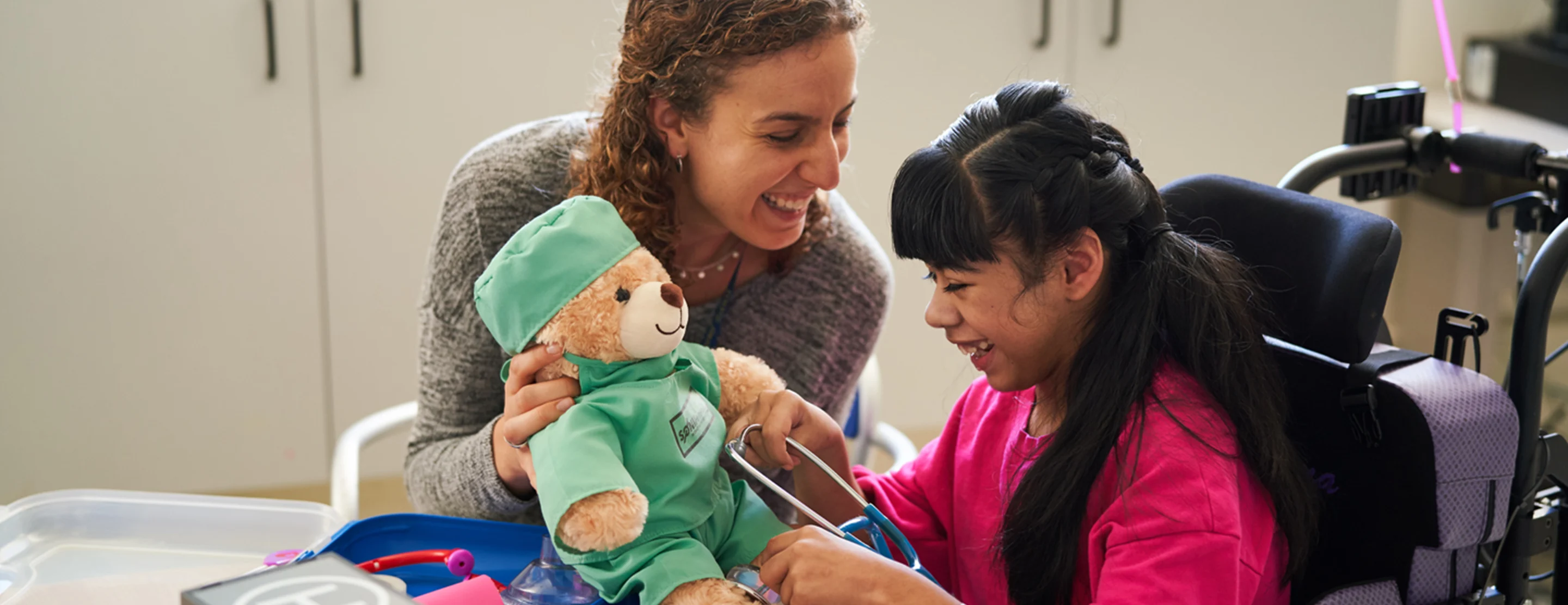
Child Life
Certified child life specialists ease the stress and anxiety of childhood illness through therapeutic play, schooling and family-focused support.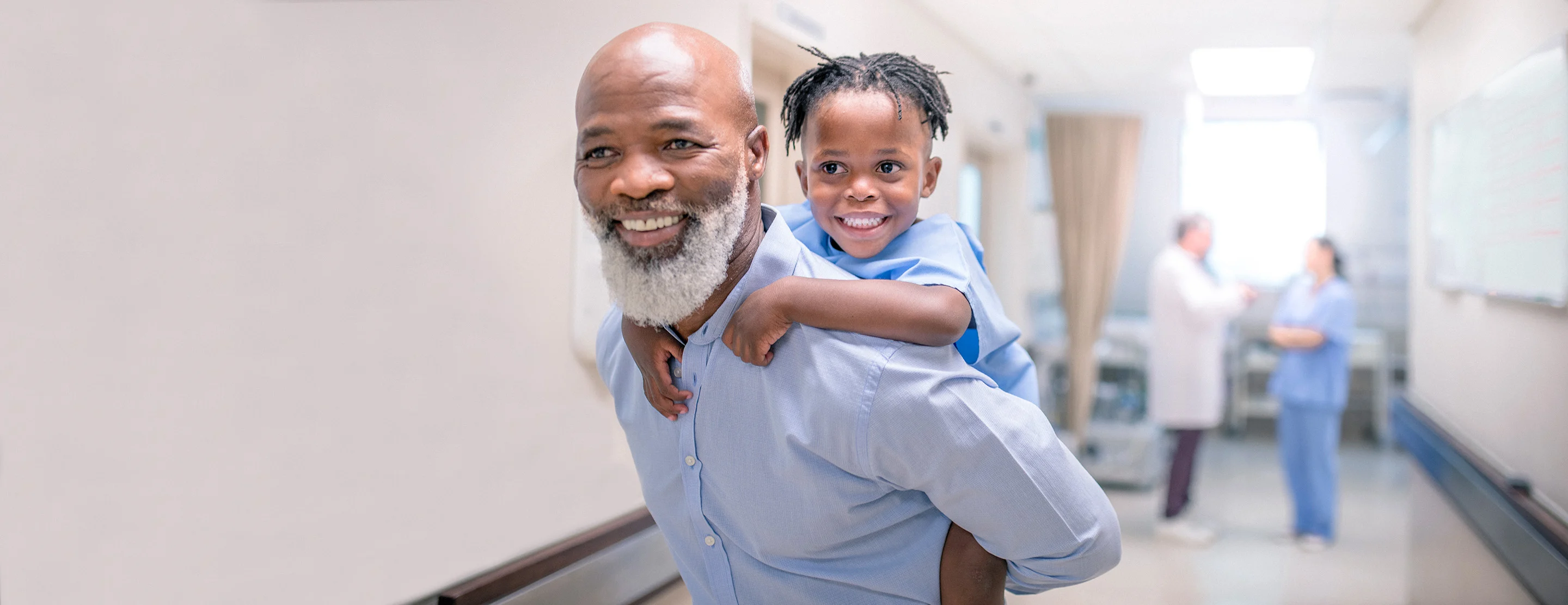
Family Amenities
Family-friendly amenities help you relax and take care of yourself while staying close to your child. We offer lounges, kitchens, showers, breastfeeding rooms and more.
Social Services at UCSF Benioff Children's Hospitals
Social workers ease the effect of illness, injury and hospitalization on your family with counseling and assistance to help you navigate the challenges.
Activity Rooms
Activity rooms offer a relaxed environment for children of all ages. Features include a playroom, digital arts studio and teen lounge. Find out more.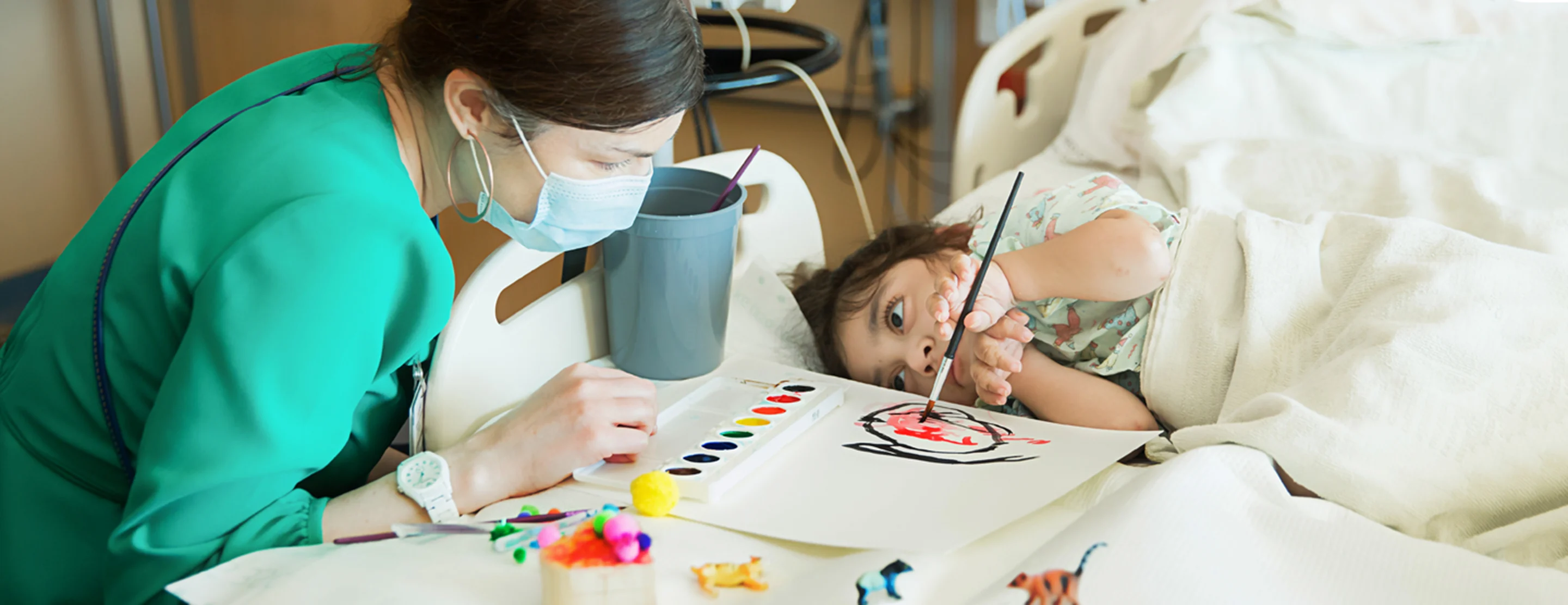
Pediatric Art Therapy Program
Art therapy helps kids and families express themselves, making it easier to cope with pediatric health issues. Group and bedside services are available.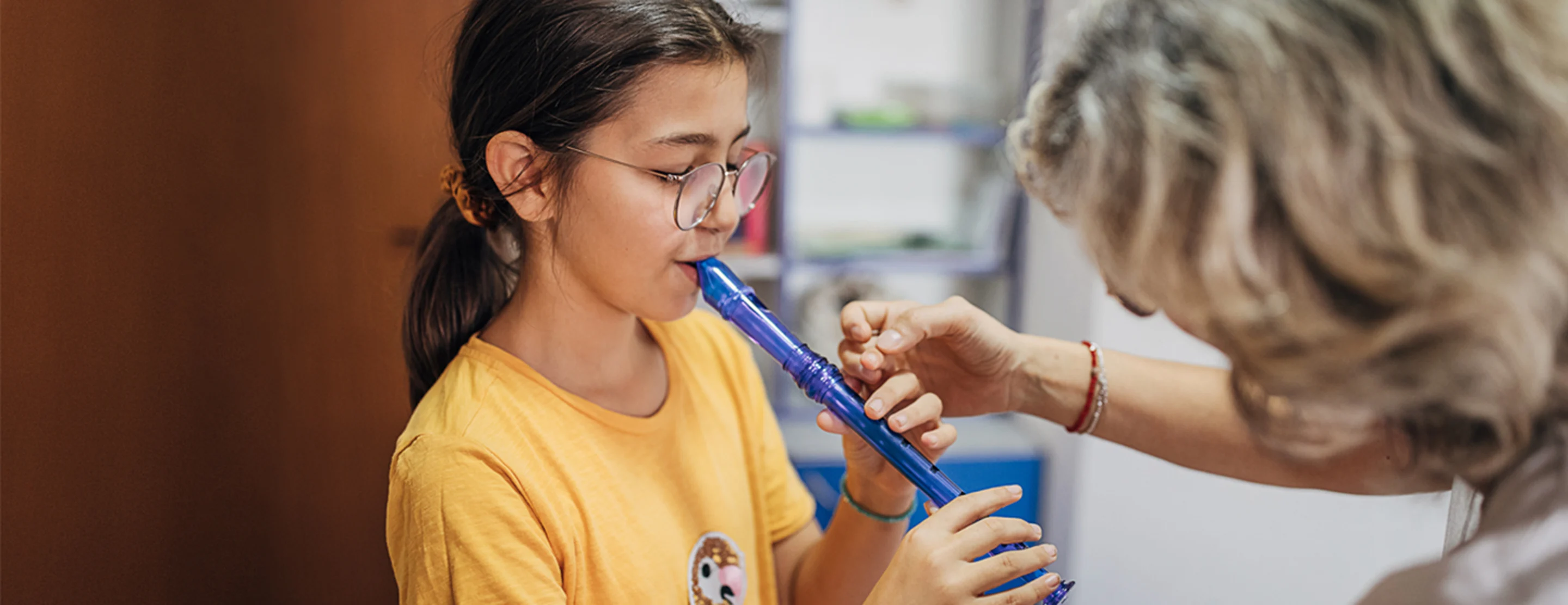
Pediatric Music Therapy Program
Board-certified music therapists help kids cope with illness and the feelings that come with it. Find out about group activities and bedside therapy.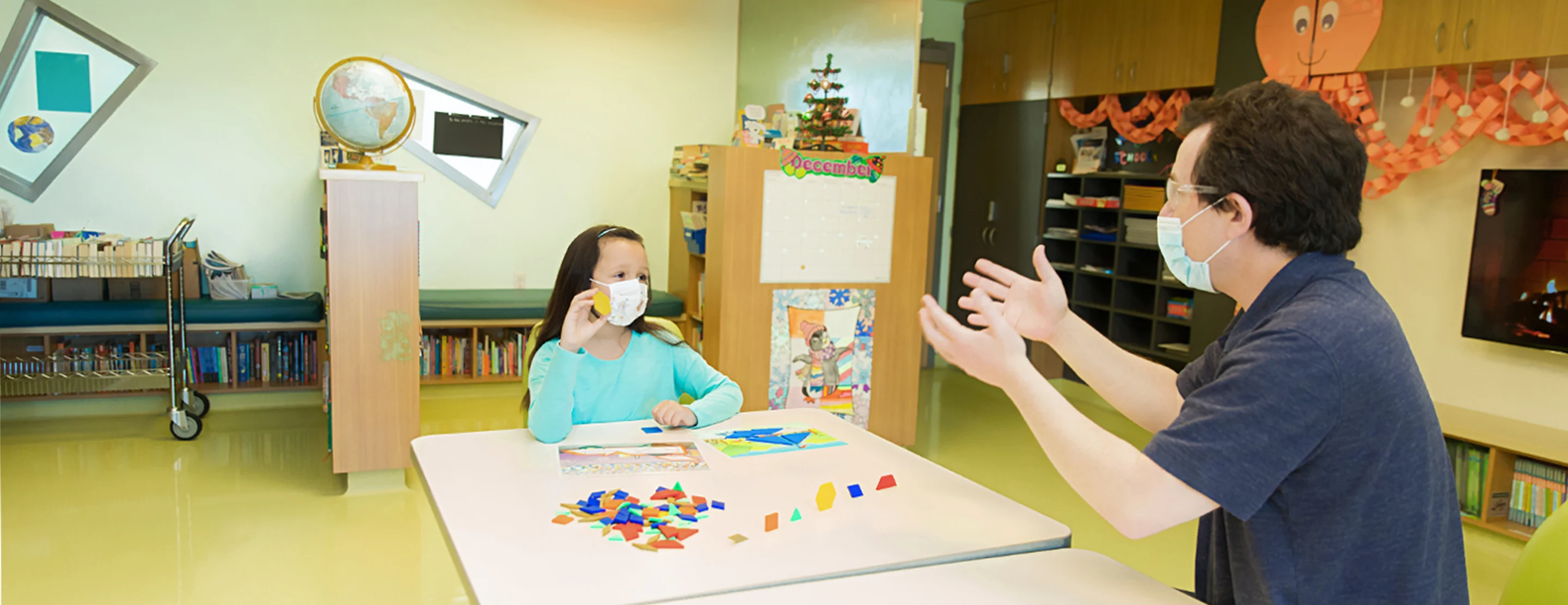
School Program for Hospitalized Children
Our schoolroom services and individual learning programs help children hospitalized at UCSF continue their education and get ready to return to school.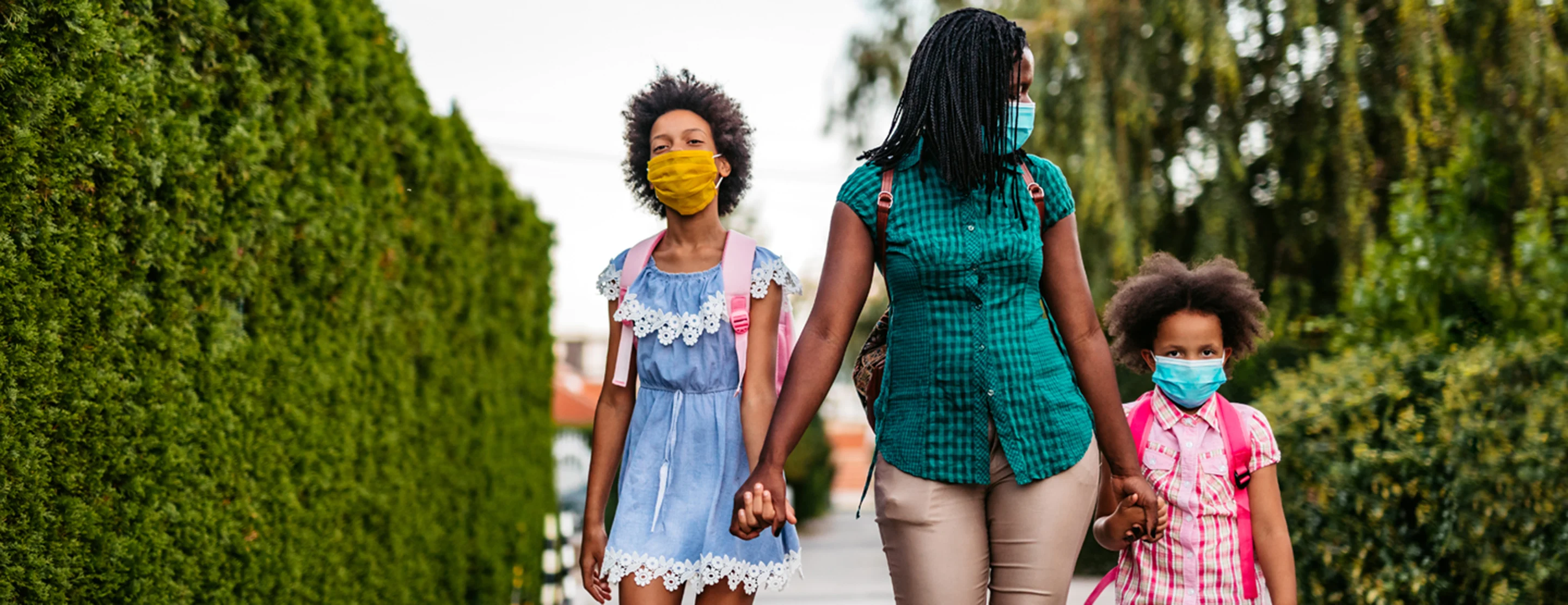
School Re-Entry Program
We help kids return to school after hospitalization by educating staff and students about their needs and recommending needed accommodations. Read more.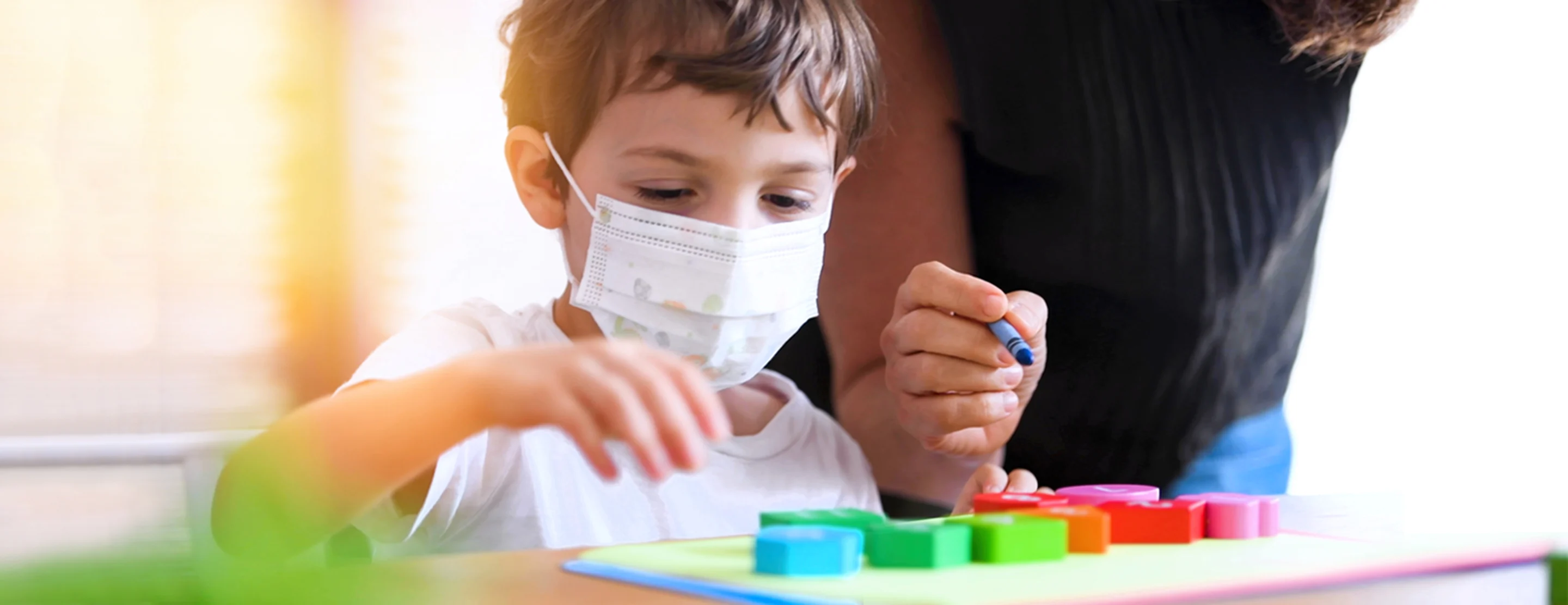
Individual Playtime & Instruction
If your child can't be around other kids for medical reasons, you can sign up for private sessions in our activity and school rooms. Find out how.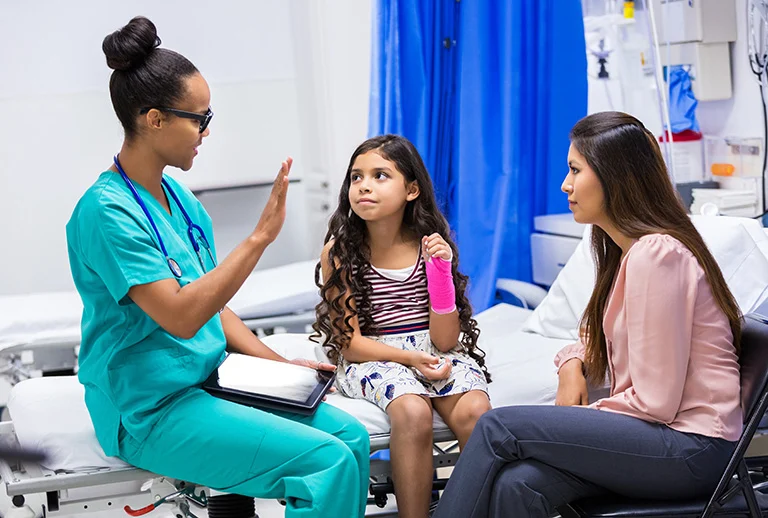
Interpreter Services & Communication Assistance at UCSF Benioff Children's Hospitals
Interpreter services in many languages and TDDs are available for families that need help communicating with care teams. Here's how to access them.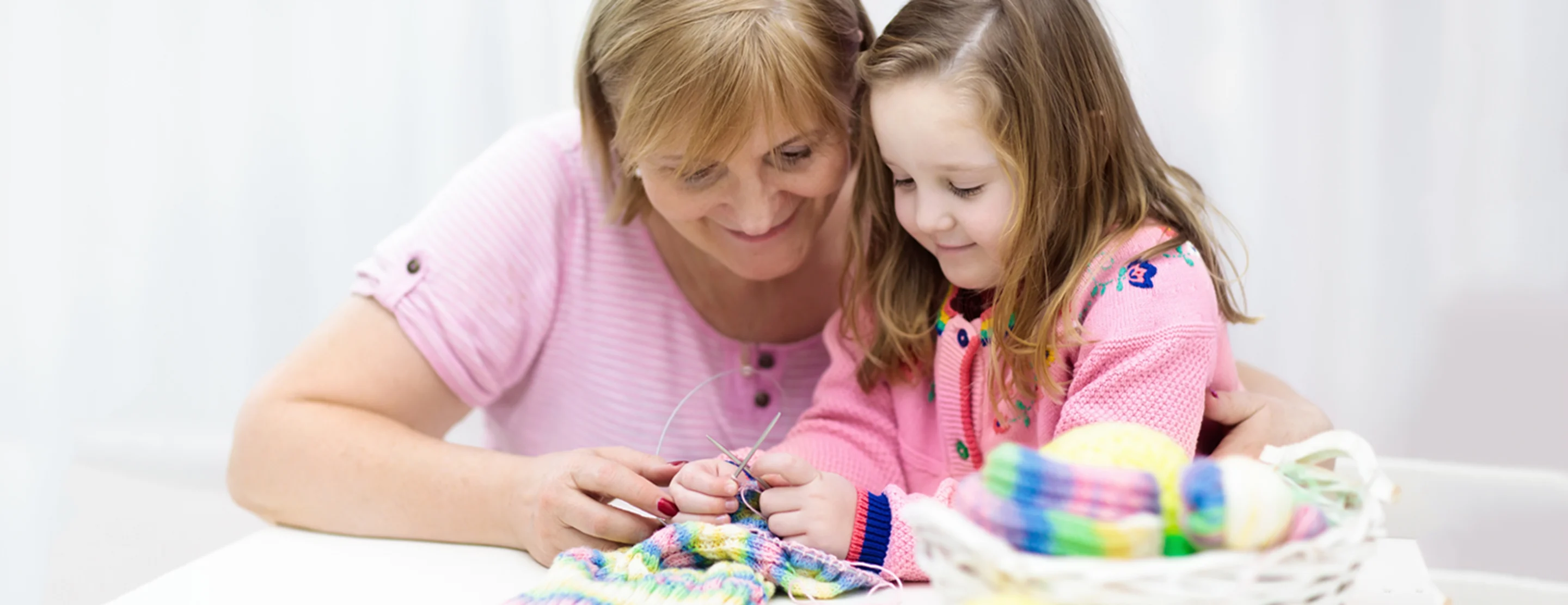
Parent Support Program
Weekly activities, including knitting, scrapbooking, chair massage and more, help family caregivers get a much-needed break. Find out more.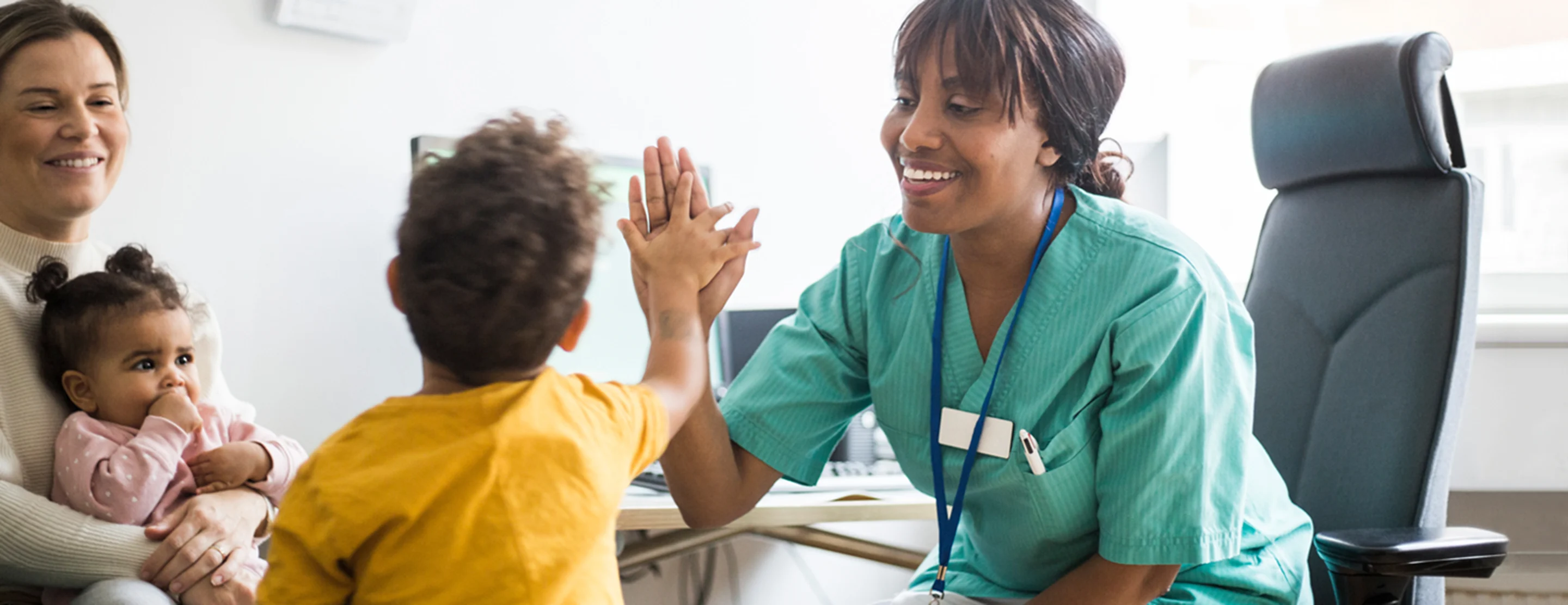
Patient Relations at UCSF Benioff Children's Hospitals
Patient relations reps and nursing supervisors are here to answer questions and address concerns. Learn about your rights, how to reach us and more.
Spiritual Care at UCSF Benioff Children's Hospitals
Chaplains help UCSF patients, families and staff cope with the spiritual and emotional challenges of childhood illness. Learn more.
International Services at UCSF Benioff Children's Hospitals
If you're coming to UCSF from outside the U.S., we coordinate your child's appointments and provide other helpful services. Here's how to get started.